

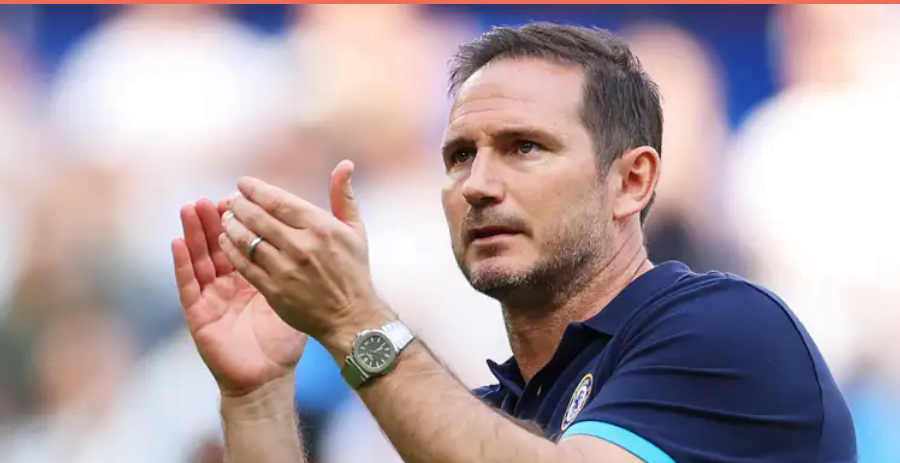
LONDON – Frank Lampard, the former manager of Chelsea, has issued a direct critique of the transfer strategy implemented by club owner Todd Boehly. Lampard identified the focus on recruiting extremely young players as a major factor behind the decline in performance levels that he witnessed during his time as interim coach last season.
In his first extensive public comments since his departure from the club, the Chelsea legend voiced serious concerns regarding the makeup of the squad. He suggested that the aggressive shift toward signing a large number of young talents resulted in a group that lacked the necessary experience and leadership to compete effectively at the highest level of the game.
A Period of Significant Struggle Under Lampard Leadership
The interim period under the leadership of Lampard, which covered the final eleven matches of the 2022-23 campaign, proved to be exceptionally difficult. The team managed to secure only a single victory during this time, a run of form that contributed to the club finishing in 12th position in the Premier League. This final standing represented the lowest league position for Chelsea in almost three decades.
Lampard indicated that the composition of the team was a fundamental issue. He pointed to a clear imbalance caused by the departure of established figures and their replacement with a wave of new, young signings who were still adapting to the demands of English football.
The Core of the Lampard Critique: An Appeal for Balance
The central argument put forward by Lampard revolves around the concept of balance. While he does not dismiss the value of investing in young players with high potential, he stressed that a club with the immediate trophy ambitions of Chelsea cannot rely solely on youth.
“The strategy of recruiting very young players, and we are talking about a large number of them, undoubtedly affected the immediate competitiveness of the team,” Lampard stated. “There must be a balance. The standards at a club like Chelsea demand a mix of top young talent and established players who understand what it takes to win consistently.”
He expanded on this idea by drawing from the history of the sport, noting that the most successful teams in football history have almost always blended promising youth with experienced professionals who can guide the group through challenging moments and maintain performance levels.
Context of Heavy Spending and Strategic Shift
These comments from Lampard arrive amid ongoing scrutiny of the transfer policy pursued by the ownership group led by Todd Boehly and Clearlake Capital. Since the consortium took control in May 2022, the club has authorized spending in excess of one billion pounds on new player acquisitions. A significant majority of these new signings have been players aged 23 or younger, marking a dramatic shift in strategy from previous regimes at the club.
This policy has attracted criticism from various quarters, with some observers arguing that it has undermined the immediate competitive edge that Chelsea enjoyed for many years. The strategy represents a long-term project, but it has come at the cost of short-term results, as evidenced by the team performance last season.
The Challenge Now Facing Manager Mauricio Pochettino
The task of integrating this large group of young signings and returning Chelsea to the upper echelons of the Premier League now falls to Mauricio Pochettino. The Argentine manager, appointed in the summer, has himself spoken about the need for balance and the importance of having experienced leaders within the dressing room to support the development of the younger members of the squad.
The situation highlights a central tension in modern football, particularly for clubs with the highest expectations. Boards must navigate the complex challenge of building a squad for the future while simultaneously meeting the intense demand for immediate success. The comments from Frank Lampard provide a clear insight into the difficulties that can arise when the balance tips too far in one direction, even when the long-term intentions are positive.
Comments are closed.